
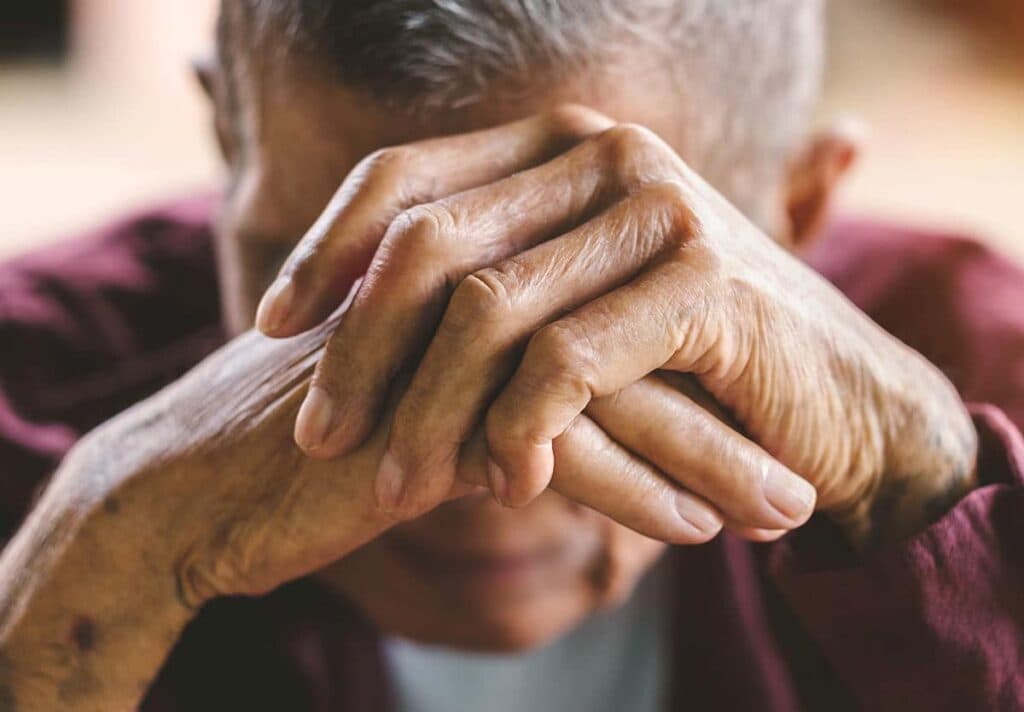
Statistics Show That This Issue Needs to Be Urgently Addressed
At least 5% of India's senior citizen population (60 years+) stated they experienced ill-treatment in 2020, according to Longitudinal Ageing Study in India (LASI). The abuse included name-calling, destroying property, or not letting them see friends and family.
What Constitutes Senior Abuse?
According to the World Health Organization (WHO), "senior abuse is a single, or repeated act, or lack of appropriate action, occurring within any relationship where there is an expectation of trust, which causes harm or distress to an older person." It is not always necessary that abuse is done by the children only — it can be done by anybody like the spouse, family member or any other person on whom an older adult is dependent.
Types of Senior Abuse
- Physical abuse: Intentional use of force leading to physical harm, ranging from physical pain to death.
- Emotional abuse: Inflicting mental pain, fear, or distress on an elder. It may include insulting, isolation, humiliation, intimidation and name calling.
- Sexual abuse: Forced or unwanted sexual interaction of any kind with an older adult.
- Financial abuse: The illegal, unauthorized, or improper use of an older individual's resources by someone in a trusting relationship with that individual.
- Neglect: The person responsible for the care fails to protect an elder from harm or meet an elder's needs in a way that results in or risks serious injury.
How to Recognise Abuse as a Family or Friend
The abused senior citizen may attempt to hide these signs. Some of these signs may show up in seniors who are living in an institution, alone or with a caregiver, or even with family. These are guidelines and not all these signs may indicate abuse.
- Bruises or broken bones (excuses of frequent falls) could be an indication of physical abuse or mistreatment.
- The senior citizen is suddenly withdrawn, does not wish to do regular activities or seems depressed.
- Bedsores, poor hygiene, and sudden weight loss.
- Changes in a senior citizen's personality or behaviour could indicate an unhappy situation.
Why Do Very Few Complain?
Many cases remain unreported as seniors are not willing to speak out. Interactions reveal that either senior citizens are not aware of Helpline numbers or do not report to them. Often when older adults complain it is to talk about financial abuse, but in further conversations with them, other forms of abuse come to light. It is apparent that unless the abuse is extreme, seniors do not wish to complain about their family members to the outside world.
Where Can They Seek Help?
- Elder Line, a toll-free national helpline – 14567
- HelpAge Helpline – 1800 180 1253
- Dignity Helpline – 18002678780
- Physical Abuse: Police Help Line (depending on city)
- Financial Abuse: Maintenance Act 2007