
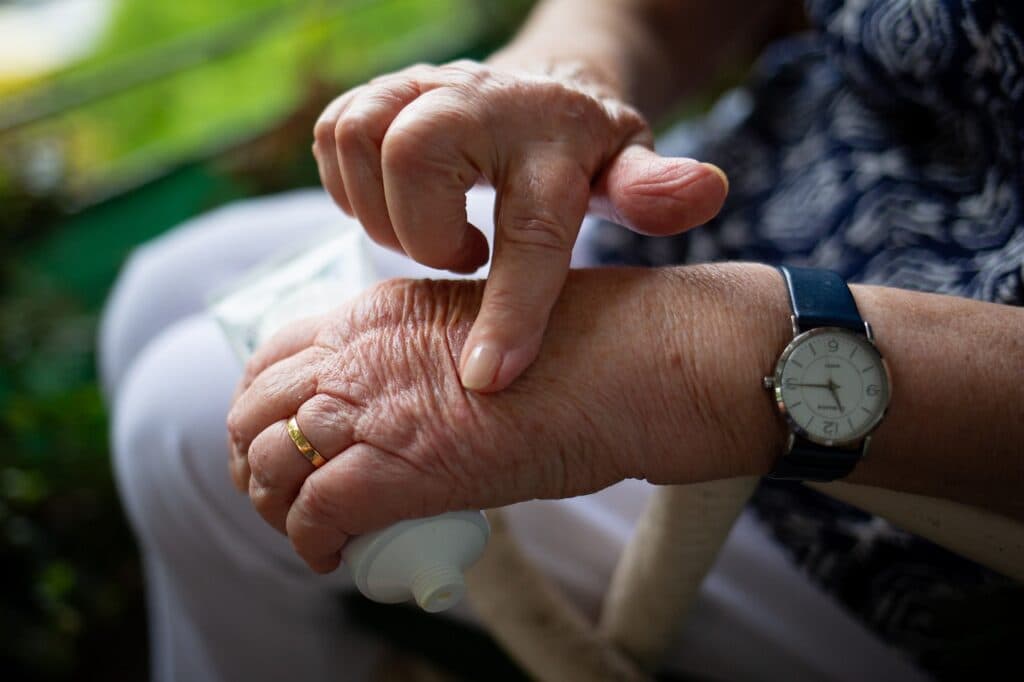
Arthritis can prevent you from doing all the things you love to do. It is, quite literally, a pain. There are more than 100 different types of arthritis. The most common are osteoarthritis and rheumatoid arthritis. The good news is that you can live — and live well — with arthritis. You can get relief from its pain and its consequences.
Common Symptoms
- Pain and stiffness
- Swelling and redness
- Decreased range of motion
- Lumps or rheumatoid nodules below the skin
- Weight loss and low-grade fever
- Trouble sleeping
- Weakness and loss of mobility
- Depression
Types of Arthritis
Osteoarthritis
The most common type of arthritis. It starts with the deterioration of cartilage, the flexible tissue lining joints. The space between bones gradually narrows and the bone surfaces change shape. Over time, this leads to joint damage and pain. The first sign is often joint pain after strenuous activity or overusing a joint. Joints may be stiff in the morning, but loosen up after a few minutes of movement.
Rheumatoid Arthritis
The body's immune system attacks the lining of the joint capsule, a tough membrane that encloses all the joint parts. This lining (synovial membrane) becomes inflamed and swollen. The disease process can eventually destroy cartilage and bone within the joint.
Risk Factors
- Family history: Some types of arthritis run in families.
- Age: The risk of many types of arthritis increases with age.
- Sex: Women are more likely than men to develop rheumatoid arthritis.
- Previous joint injury: People who have injured a joint are more likely to develop arthritis in that joint.
- Obesity: Excess weight puts stress on joints, particularly knees, hips and spine.
Do's and Don'ts in Everyday Routine
- Pay attention to your joints, whether sitting, standing or engaging in activity.
- Keep your joints moving. Do daily, gentle stretches that move your joints through their full range of motion.
- Use good posture. A physical therapist can show you how to sit, stand and move correctly.
- Know your limits. Balance activity and rest, and don't overdo.
- Manage weight: Being overweight can increase complications of arthritis.
- Quit smoking: Smoking causes stress on connective tissues, which can increase arthritis pain.
Recommended Exercise
Exercise can decrease your pain and stiffness, improve your range of motion, strengthen your muscles, and increase your endurance. Focus on stretching, range-of-motion exercises and gradual progressive strength training. Include low-impact aerobic exercise, such as walking, cycling or water exercises. Avoid high-impact activities such as running, jumping, tennis, and high-impact aerobics.
Treatment
- Therapy: usually involves nondrug treatments such as heat, ice, and exercise.
- Medication for pain and inflammation.
- Assistive devices such as canes or walkers.
- Surgery or joint replacement may be needed in some cases.